

Why FRP keeps turning up in Malaysian projects
Walk through a water treatment plant, a theme park or a food factory in Malaysia and you will find fibre reinforced plastic everywhere, even if nobody calls it that. FRP is a composite: glass fibres for strength, locked inside a resin that gives shape and chemical resistance. The result is light, does not rust and can be moulded into shapes that would be expensive in steel or concrete.
That combination suits a hot, humid country with plenty of corrosive environments. Coastal air, chlorinated water and industrial chemicals all chew through bare metal. FRP shrugs most of them off when it is specified properly. If you are new to the material, a local overview of tank lining and custom moulded parts shows the range of jobs one workshop typically handles.
Hand lay-up, spray-up and what changes the price
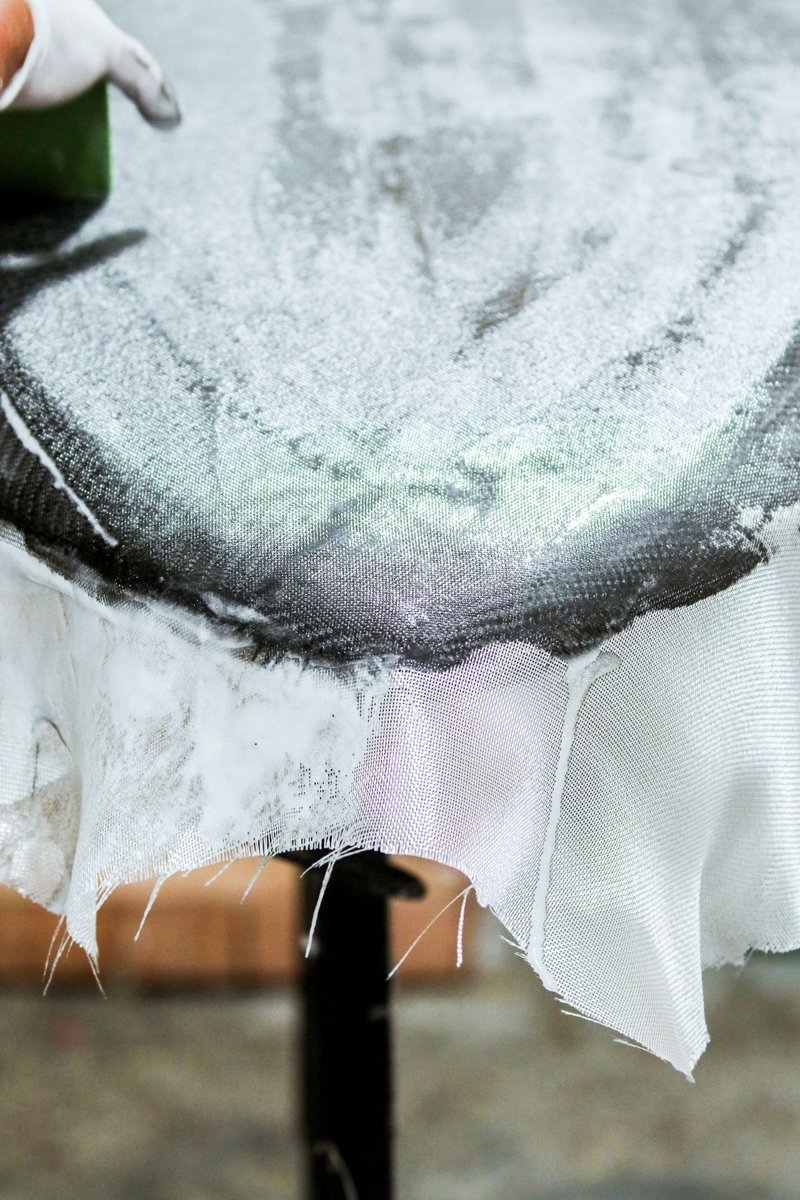
Most custom fiberglass work in Malaysia still starts with a mould and skilled hands. In hand lay-up, workers place fibre mats into the mould and wet them out with resin, rolling out air bubbles layer by layer. Spray-up uses a gun that chops fibres and sprays them with resin at the same time, which is faster for large, simple shapes.
Price is driven less by the method than by the details. Thickness, the number of layers, the resin type, the gel coat finish and whether the mould already exists all move the quote. A one-off shape with a new mould costs far more per piece than a repeat order. CompositesWorld covers these manufacturing choices in depth if you want to understand why two quotes for the same drawing can differ so much.
A short training clip comparing manual lay-up with spray-up on an open mould.
Lining jobs: tanks, floors and chemical splash zones
A large share of FRP work is not about new parts at all. It is lining: coating the inside of concrete tanks, sumps, drains or steel vessels with a fibreglass layer that protects them from water or chemicals. Done well, lining can extend the life of an old tank by years. Done badly, it peels, traps moisture and fails quietly.
The difference usually comes down to surface preparation and resin choice. Ask what the lining is expected to resist, at what temperature, and how the surface will be cleaned and dried before the first layer goes on. Request photos of similar past jobs, not just brochure shots.
It is worth asking how the finished lining will be tested. Some fabricators check thickness at several points, others run a spark test to find tiny pinholes before the tank goes back into service. Either way, a written record of those checks is useful years later when someone asks why a tank is or is not leaking.
Custom shapes, from water slides to equipment covers
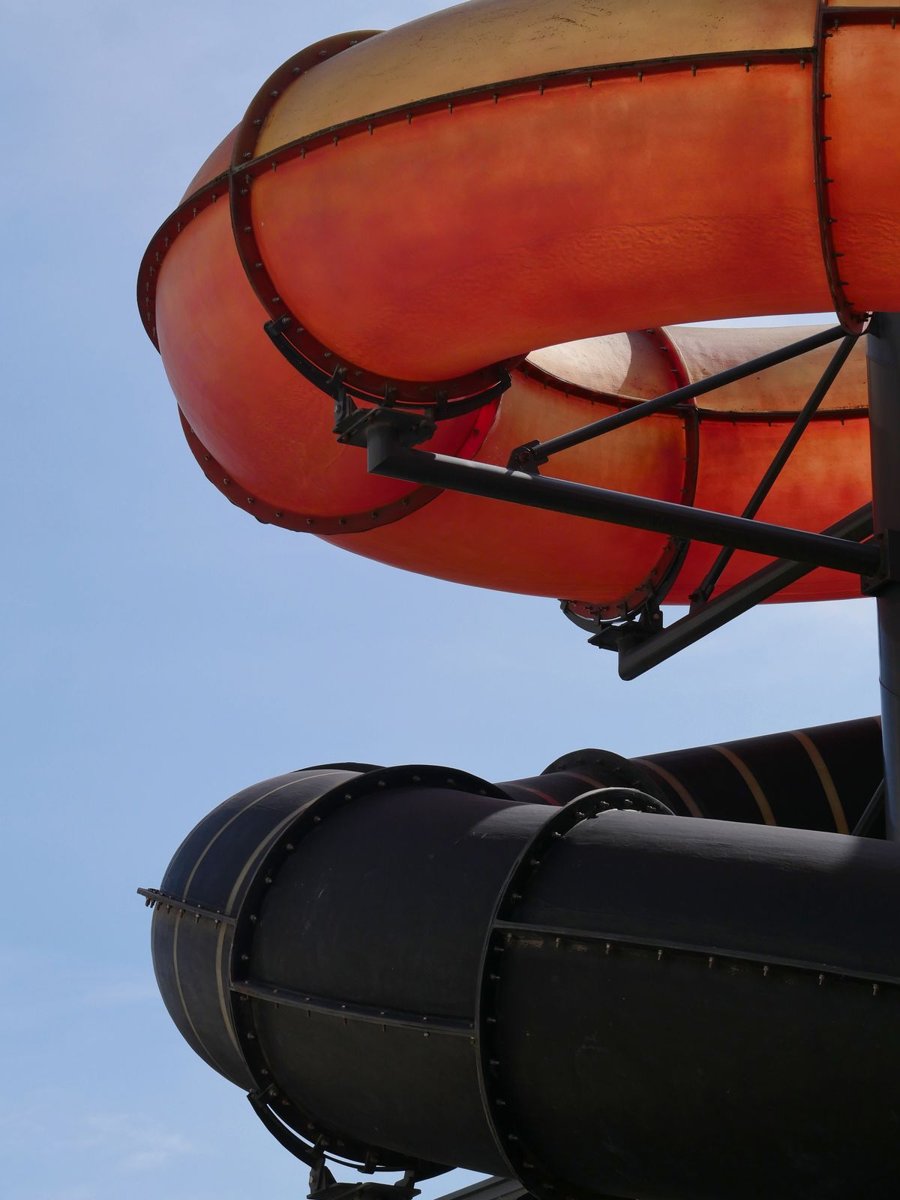
The fun end of the industry is custom fabrication. Water slides, playground pieces, sculptures, kiosk shells and machine covers are often FRP because the material takes complex curves and bright colours well. Theme park equipment adds its own layer of safety rules, inspection routines and load requirements.
Trade bodies like the American Composites Manufacturers Association publish material on safe handling and good practice that many fabricators worldwide follow, which is useful context even for local projects. Speaking to an established fabricator such as FRP Trading about maintenance cycles before you commit can save money later, because resurfacing a faded slide is cheaper than replacing it.
Before asking for quotes, write a one-page brief. Note the size, the environment the part will live in, the chemicals or UV exposure it faces, the finish you expect and how many pieces you need. Ask each supplier how they control thickness, how long curing takes and what warranty they offer on lining or gel coat.
Compare answers side by side rather than only comparing prices. FRP is forgiving in many ways, but it rewards clear specifications and punishes vague ones.